




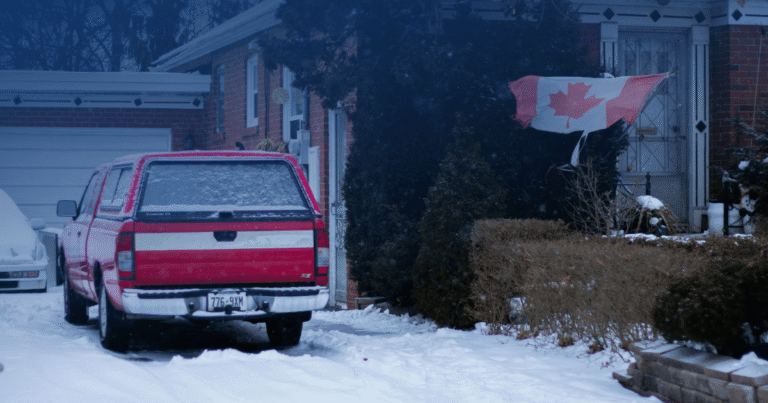
A DWI arrest in New York puts a Canadian driver in a more complicated position than most people realize. You’re not just facing the New York criminal process. You’re also looking at what happens back home in your province — and potentially, what happens the next time you try to cross into the US.
Three systems are running at the same time: the New York courts, your Canadian province, and the US border authorities. Understanding how they interact is what determines the real stakes.
What New York Can and Can’t Do to Your License
New York courts cannot physically seize or revoke your Canadian driver’s license — that’s issued by your province, not by New York. What NY can do is suspend your privilege to drive within the state of New York, which is a separate thing.
Under New York’s Implied Consent Law, if your BAC was 0.08% or higher or you refused the chemical test, the court will suspend your NY driving privilege at your arraignment — your very first court appearance. This happens administratively, regardless of the outcome of the criminal case.
If you’re caught driving in New York while that privilege is suspended, you face a separate criminal charge: Aggravated Unlicensed Operation (AUO). That compounds the original problem significantly.
What happens immediately after your arrest in New York — the arraignment, the temporary license action, the bail conditions — follows the same sequence as it does for any other driver. Knowing what to expect helps you make better decisions in those first hours.
What Happens Back in Your Province
This is where Canadian drivers are often blindsided. Canada and New York maintain reciprocal information-sharing agreements on major driving convictions, including DWI. Once a New York DWI conviction is entered, that information is reported to your Canadian province.
The provincial consequences depend on where you’re licensed, but they’re serious across the board:
| NY Outcome | Canadian Provincial Impact |
|---|---|
| DWI conviction (misdemeanor) | Reported to the province; demerit points assessed; potential license suspension or revocation |
| DWI conviction (felony) | Reported to the province; treated as a serious criminal driving offense; significant license action likely |
| DWAI (traffic infraction) | May not trigger the same reporting threshold as a criminal conviction; lighter cross-border footprint |
| Refusal of chemical test | Reported; treated similarly to a conviction in many provinces |
The difference between a DWI conviction and a DWAI in New York has significant cross-border implications. A DWAI is a traffic infraction — not a criminal conviction. For a Canadian driver, that distinction can determine whether a provincial license action follows or not.
The US Admissibility Angle
Here’s what many Canadian drivers don’t consider until after the fact: a criminal DWI conviction can affect your ability to enter the United States on future visits.
Under INA § 1182, a non-citizen with a criminal conviction may be found inadmissible to the US. A simple first-offense misdemeanor DWI is generally not treated as a crime involving moral turpitude (CIMT) — but the analysis is fact-specific, and whether your DWI is a felony or misdemeanor matters. A felony DWI, or a pattern of DWI convictions, carries a meaningfully higher inadmissibility risk. US Customs and Border Protection has access to criminal conviction records, and a Canadian with a felony conviction on their record can be turned away at the border.
This creates a third reason — beyond the criminal penalties and the provincial license consequences — why the outcome of the New York case matters so much. A conviction that follows you into the federal record has a longer reach than the fines and revocation periods.
You Cannot Skip Court — But You Don’t Have to Be There Every Time
Some Canadian drivers assume that if they just don’t return to New York, the problem goes away. It doesn’t. If you fail to appear in court, a bench warrant is issued for your arrest, your NY driving privilege is indefinitely suspended, and your province is notified of the failure to appear, which in many cases triggers its own administrative license action back home.
The practical solution is hiring a New York DWI attorney who can appear in court on your behalf. For most non-felony appearances, your attorney can appear without you, significantly reducing the number of trips you need to make. That’s one of the most concrete practical reasons to get legal representation in place quickly — and to get it early. The sooner you call a lawyer after your arrest, the more options you have before arraignment.
The Defense Strategy Matters More for Cross-Border Consequences
For a Canadian driver, the stakes of a DWI conviction extend further than they do for a typical NY resident. A conviction that results in a misdemeanor on your record creates a federal admissibility issue, triggers provincial reporting, and follows you for years. That’s why fighting for the best possible outcome — a charge reduction, a dismissal, a DWAI plea — is not just about avoiding a fine. It’s about what your record looks like to border agents and provincial authorities for the rest of your life.
The top defenses in a DWI case apply equally to Canadian drivers: challenging probable cause for the stop, the reliability of the breathalyzer, and the testing procedure. The conversation with police at the roadside matters — what you say before and during a DWI stop can affect the strength of the case against you.
The DWI TEAM handles cases from clients across the US and Canada. If you were arrested in New York and you’re heading back across the border, the time to act is before your arraignment date, not after.
Disclaimer: This overview is for informational purposes only and does not constitute legal advice. Every case is unique — contact our legal team for personalized guidance.