





The answer is: immediately. You have the right to request an attorney from the moment the police pull you over. The harder question — the one that actually matters — is when police must legally act on that request.
That answer changes at each stage of the arrest process.
At the Traffic Stop: Request It, Don’t Expect Access Yet
The roadside is where your right to counsel begins, but it’s also where it carries the least weight. What you say to the police during a DWI stop has real consequences. State clearly, calmly, and politely that you’re invoking your right to remain silent and want to speak with an attorney.
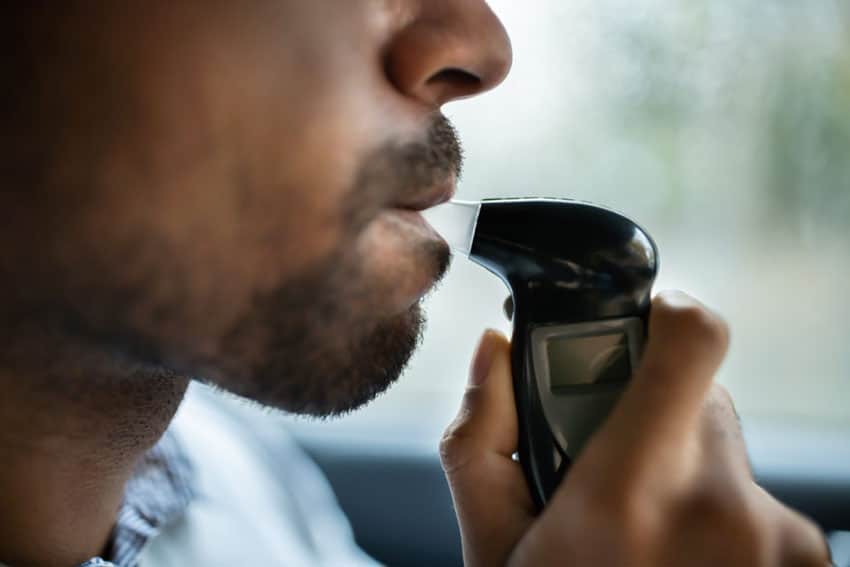
Police aren’t required to facilitate that call at the roadside. They can continue the investigation: ask you to step out of the vehicle, run field sobriety tests if you consent, and request a portable breath test. Invoking your right to counsel here establishes your position on the record and reinforces your decision to stay quiet.
Making that request early — even before arrest — matters. It signals that you know your rights and are exercising them, which shapes how the rest of the stop plays out.
After Arrest: The Most Critical Window
Once police formally arrest you and transport you to the station, your right to counsel carries real weight — and police have a corresponding obligation.
Under New York law, before asking you to submit to the official chemical test (the DataMaster breathalyzer or a blood draw), police must give you a reasonable opportunity to reach an attorney. This moment is the most strategically important in your entire case. The decision to take or refuse the breathalyzer carries immediate, lasting consequences for both your license and your criminal case. Make that call with legal advice if at all possible.
The right is real but limited. Police must provide a reasonable opportunity to reach counsel — not an unlimited one. Keep waiting after a genuine attempt fails, and they’ll treat the delay as a refusal, which triggers the administrative license penalties. The window is short. The stakes are high.
Have a DWI attorney’s number saved? This is the moment to use it. No attorney? Call a family member who can find one. Can’t reach anyone? You still need to decide about the test, which is exactly why knowing this moment is coming, and having a plan, matters before any arrest happens.
Your Right to a Phone Call After Booking
After the chemical test, booking follows — fingerprints, mugshot, paperwork. At this point, you have the right to a phone call. Direct it to your attorney or to someone who can find one immediately.
One important caution: calls from the police station are recorded. Don’t discuss the facts of your arrest, what you drank, what you told the officer, or anything about your case on that call. Use it to get representation — nothing more.
At the Arraignment: Full Right to Counsel
By the time a judge sees you at arraignment — which New York law requires within 24 hours of arrest — your right to counsel fully applies. The court must actively inform you of it.
Show up without a lawyer, and the judge will advise you of your right and give you a reasonable time to retain one. No money for a private attorney? Request assigned counsel (a public defender). The judge will conduct a financial screening to determine eligibility.
Even so, walking into an arraignment without an attorney already in place puts you at a disadvantage. Bail decisions, license suspension handling, and the initial framing of your case all happen right there. An attorney retained the night of your arrest can advocate far more effectively than someone meeting you for the first time in the courtroom.
The Practical Reality: Invoke Early, Keep Invoking
Your right to counsel doesn’t expire — but you do have to keep asserting it. Hold for several hours before the chemical test and continue requesting access to an attorney. Make mental notes of when you made the request and what response you got. Those details can matter to your defense later.
In cases involving serious injuries to another person, charges can escalate to a felony level quickly. Early attorney involvement gives counsel the most to work with and the most to preserve.
New York Criminal Procedure Law § 140.20 governs the processing of people arrested without a warrant — including the obligation to inform them of their right to counsel. The Sixth Amendment and New York’s own constitutional protections build on that foundation at every stage that follows.
An experienced DWI defense attorney available around the clock is the most important call you can make after a DWI arrest. The earlier that call happens, the more they can do.
Disclaimer: This overview is for informational purposes only and does not constitute legal advice. Every case is unique — contact our DWI defense team for personalized guidance.