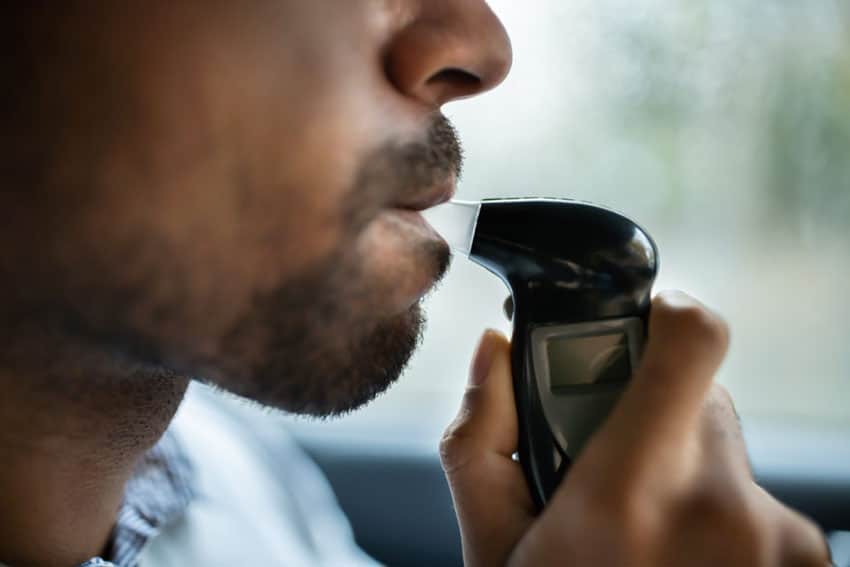





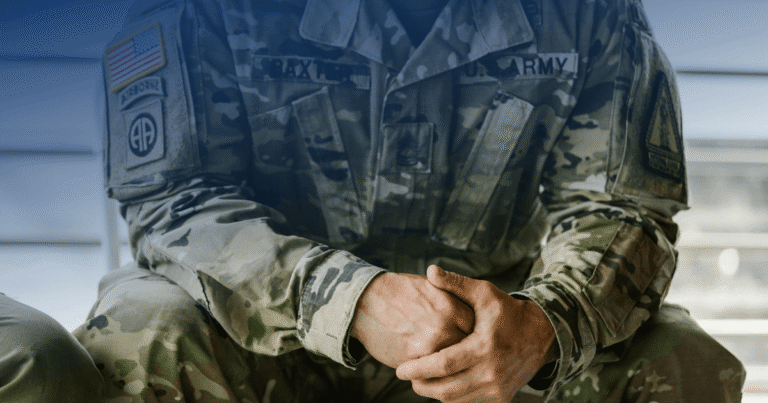
Yes — and it happens faster than most people expect. The military doesn’t wait for a conviction, a court date, or any formal finding. The notification process begins at the arrest, through two separate channels that operate simultaneously.
Two Ways the Military Finds Out
Channel one: You are required to report yourself. Military branches maintain strict, mandatory policies requiring active-duty service members to self-report any civilian arrest promptly — typically within 24 to 72 hours, depending on branch-specific regulations. This isn’t optional, and it’s not something you can time strategically. Failure to report is treated as a separate act of misconduct, often viewed as more damaging than the underlying arrest because it introduces a dishonesty element.
Channel two: Law enforcement notifies your command directly. When a civilian law enforcement agency arrests an active-duty service member, they are frequently obligated to notify the installation’s commanding officer. This notification happens independent of anything the service member does. It means your command may already know before you report.
The result is that even a single DWI arrest — with no conviction, no court ruling, nothing finalized — puts you in front of your command within days.
What Happens Immediately After Notification
Notification triggers administrative action at the command level regardless of what is happening in the civilian court. Your command doesn’t need a conviction to act. The most common immediate consequences include:
| Immediate Action | What It Means |
|---|---|
| Base driving privileges suspended | You may lose the right to drive on the installation pending the civilian case outcome |
| Mandatory substance abuse evaluation | ASAP (Army Substance Abuse Program) or branch equivalent referral is standard |
| Security clearance review initiated | For clearance holders, notification typically triggers a review under Guideline G (Alcohol) |
| Fitness for duty documentation | Your command may require documentation that you remain fit for your duties |
These administrative actions are separate from — and run parallel to — whatever UCMJ disciplinary action your command decides to pursue. In other words, the paperwork starts before the DWI case is even close to resolved.
The Civilian Case and the Military Case Are Separate Proceedings — But Connected
A civilian DWI arrest can trigger action under UCMJ Article 113, which prohibits drunken or reckless operation of a vehicle. This applies even when the arrest happened off-base and in civilian jurisdiction. The military does not need to wait for the civilian case to conclude before initiating its own proceedings.
That said, the civilian outcome still matters enormously. There’s a critical distinction between a DWI conviction and a DWAI in New York. A DWI is a misdemeanor crime. A DWAI is a traffic infraction — not a criminal conviction. For a service member, the difference between those two outcomes ripples through everything: whether the charge is a felony or misdemeanor affects how the command documents it, how a clearance review proceeds, and whether separation proceedings are initiated.
What happens at the moment of arrest — how the stop unfolds, what you say to police, whether you take or refuse chemical testing — sets the foundation for the civilian case that feeds directly into these military proceedings. Decisions about refusing breath and drug testing carry civilian administrative penalties, but for a service member, they carry additional career weight. And getting a lawyer involved immediately after the arrest matters here in a way it doesn’t for a civilian whose only concern is points on a license.
If you’re on any form of probation or prior disciplinary action from a prior incident, a new DWI arrest almost certainly escalates what your command can do — both administratively and under the UCMJ.
What Service Members Can Actually Do
The most impactful lever a service member has is the civilian case itself. A strong defense in civilian court — challenging the stop, the breathalyzer results, the testing procedure — can produce a DWAI outcome or a dismissal, which changes the evidentiary picture that flows into the military proceedings. The top defenses in a DWI case apply here just as they do for any civilian. The difference is that the stakes are higher on both ends.
Veterans and service members also have access to a resource that most civilians don’t. New York’s Veterans Treatment Courts operate in many counties and exist specifically to address the challenges faced by service members facing criminal charges. Rather than standard criminal prosecution, cases transferred to Veterans Treatment Court focus on treatment, rehabilitation, and accountability in a framework designed for the military experience. An attorney familiar with military collateral consequences can argue for transfer early in the process.
For active-duty members, what happens after your DWI arrest plays out on two tracks simultaneously. The civilian defense strategy has to account for both, and that requires an attorney who understands what a conviction, a DWAI plea, or a dismissal each means for your career, your security clearance, and your ability to stay in the service. The risk of separation or discharge is a real one, and one worth fighting hard to avoid.
Disclaimer: This overview is for informational purposes only and does not constitute legal advice. Every case is unique — contact the team at DWI TEAM for personalized guidance.