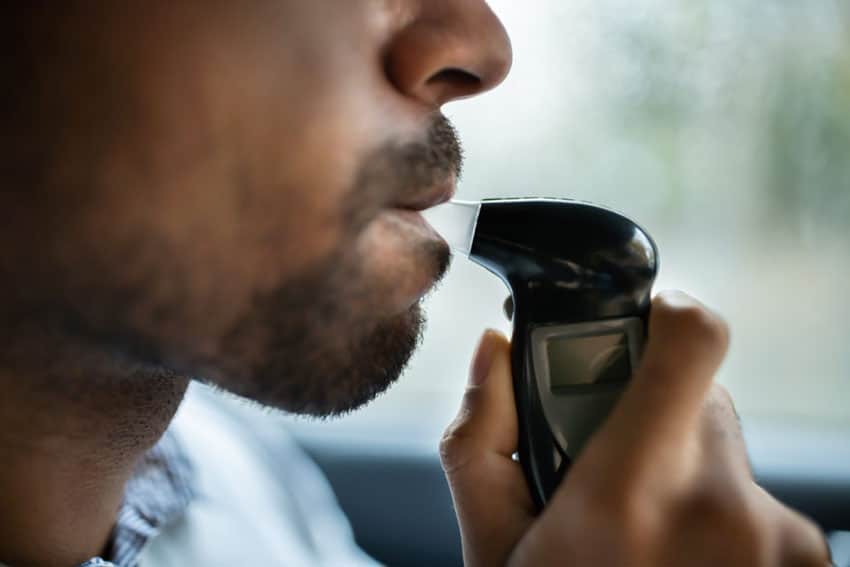






Yes — and this surprises a lot of people. You don’t need to have a DWI conviction of your own to face criminal charges under New York’s interlock laws. If you blow into someone else’s IID, start their car for them, or lend them a vehicle without a device installed, New York law treats you as a criminal participant — not a bystander.
The Law Is Explicit About Third-Party Liability
New York Vehicle and Traffic Law § 1198(9) creates two mirrored offenses — one for the restricted driver, and one for the person who helps them:
§ 1198(9)(a) targets the restricted driver: it is illegal to request, solicit, or allow another person to blow into their IID or start their vehicle for them.
§ 1198(9)(b) targets you, the helper: it is illegal to blow into an ignition interlock device or start a vehicle equipped with one for the purpose of providing an operable vehicle to a person whose driving privilege is restricted to IID-equipped vehicles.
Both are Class A Misdemeanors — carrying up to one year in jail and fines up to $1,000. The law imposes the same criminal exposure on the helper as it does on the restricted driver. There is no lesser penalty because you don’t have a prior DWI conviction. The criminal culpability is equal.
What “Helping” Actually Covers
The statute’s scope is broader than most people realize. Helping someone circumvent their interlock under New York law includes:
- Blowing into the device so the restricted driver can start the vehicle
- Starting the vehicle equipped with an IID on behalf of the restricted driver, for the same purpose
- Knowingly lending, leasing, or renting a vehicle that does not have an IID to a person you know is subject to an interlock restriction
That last category — knowingly renting a vehicle without an interlock — is a separate but related offense covered by its own provision. The common thread across all of them is knowledge: the law requires that you know the person is restricted. If you genuinely didn’t know, that is a meaningful defense. If you did know, no good intentions can overcome your criminal exposure.
“I Was Just Trying to Help” Is Not a Defense
This is the part that catches people off guard. A friend, a sibling, a parent, a co-worker — someone close to a restricted driver often gets asked to blow into the device as a favor. The person being asked typically has no criminal record and no connection to the original DWI.
None of that matters under § 1198(9)(b). The statute does not require that you be the one with the IID requirement. It does not require that you intended any harm. It requires only that you blow into the device or start the vehicle for the purpose of giving a restricted driver an operable car. That purpose — not your motive or intent to be helpful — is the element the prosecution needs to prove.
The device itself may also generate evidence of what happened. The IID records all breath samples and startup events, including who provided the sample, and if the data pattern is inconsistent with the registered driver. Both the restricted driver and anyone who helped them may find themselves facing charges as a result of what the device logged.
How This Connects to the Restricted Driver’s Situation
When a restricted driver asks someone to help them bypass their IID, they are not just putting that person at legal risk — they are also violating their own probation or conditional discharge on their underlying DWI conviction. The court can revoke that conditional sentence and reimpose the original penalty in addition to the new circumvention charge. Both parties face separate proceedings.
Understanding what circumventing an interlock device means under the full statute helps both the restricted driver and anyone they might ask to understand what is genuinely at stake. The IID requirement exists because New York’s implied consent framework treats the conditions of a DWI sentence as legally binding obligations — not suggestions.
What Happens If You’re Charged
A § 1198(9)(b) charge proceeds exactly like any other misdemeanor criminal case. You will be arrested and processed, and the night in custody can become a real possibility depending on the circumstances. If you are contacted by police or investigators about an IID incident involving someone you know, do not answer questions without an attorney. Saying the wrong thing before you’ve spoken to counsel can significantly complicate your defense.
Contact an attorney immediately — before any court appearances, and ideally before any further contact with law enforcement. The DWI TEAM handles these cases for both restricted drivers and third parties facing circumvention charges. From the moment you hire us, we get to work on the evidence — the device logs, the circumstances, and the specific intent elements the prosecution must prove beyond a reasonable doubt.
Disclaimer: This overview is for informational purposes only and does not constitute legal advice. Every case is unique — contact a knowledgeable DWI attorney for personalized guidance.