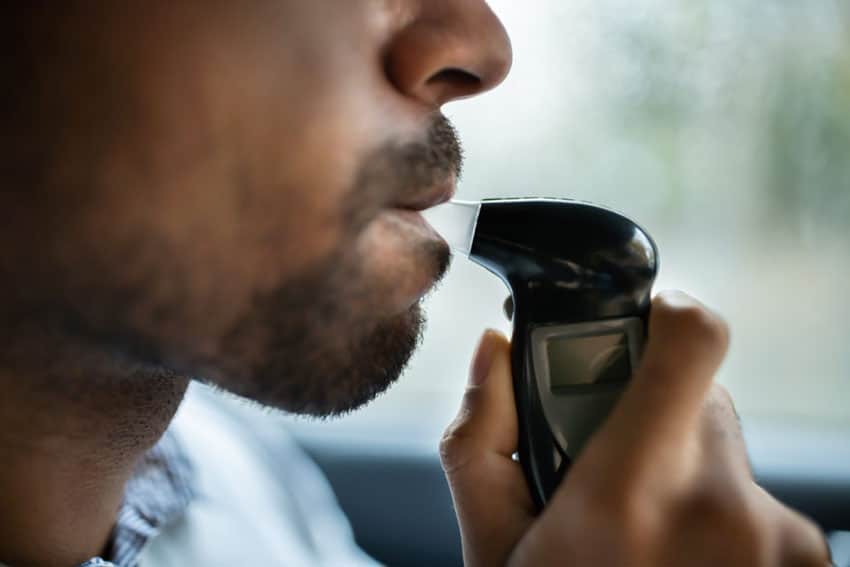






After a DWI conviction in New York, one of the most significant conditions attached to your sentence is the Ignition Interlock Device (IID) requirement. Circumventing that device is not a technical violation or a paperwork issue — it is a separate criminal offense, charged on top of whatever penalties came with your original conviction. Understanding exactly what the law prohibits, and why the consequences are so serious, is essential for anyone currently subject to an IID restriction.
What the Law Says
New York Vehicle and Traffic Law § 1198(9) defines circumvention of an interlock device and creates four distinct criminal offenses under it:
§ 1198(9)(a) — It is illegal for a restricted driver to request, solicit, or allow any other person to blow into their IID or start their vehicle for them. The purpose of the act — providing the restricted person with an operable vehicle — is what makes it criminal.
§ 1198(9)(b) — It is equally illegal for a third party to blow into someone else’s IID or start their vehicle, knowing the driver is under an interlock restriction. Both parties commit separate offenses.
§ 1198(9)(c) — Tampering with or physically circumventing an otherwise operable IID is prohibited. This includes any attempt to disable, damage, defeat, or modify the device.
§ 1198(9)(d) — A restricted driver cannot operate any motor vehicle that does not have a functioning, court-ordered IID installed. This applies to every vehicle the restricted person owns or operates — not just the one where the device was originally installed.
Every one of these violations is a Class A Misdemeanor, carrying up to one year in jail and fines of up to $1,000.
Why the IID Requirement Exists
The IID requirement was established under Leandra’s Law, which mandates IID installation for any person convicted of a misdemeanor or felony DWI or Aggravated DWI. Whether your conviction is a misdemeanor or a felony affects the length of the IID requirement and other conditions, but both result in mandatory IID installation.
The device itself operates similarly to the breathalyzer you may have encountered at the police station — it requires a breath sample below a preset BAC limit before the engine will start, and it demands random rolling retests while the vehicle is moving. The implied consent law that governs chemical testing after arrest carries through into the IID requirement as a condition of your sentence — the theory being that you’ve agreed to these conditions in exchange for conditional driving privileges.
The Double Consequence Problem
What makes circumvention charges particularly serious is that they don’t replace your original DWI penalties — they compound them. If you were sentenced to probation or a conditional discharge as part of your DWI conviction, circumventing the IID is not just a new criminal charge. It is also a violation of your conditions of sentence. The court can respond by revoking your conditional discharge or probation and reimposing the sentence it had previously held in abeyance — potentially including jail time on the underlying DWI.
This is why someone who was originally facing a first-offense DWI misdemeanor can suddenly find themselves at risk of significant incarceration over what may have seemed like a minor workaround.
What “Operating Without an IID” Actually Covers
One of the most commonly misunderstood provisions is § 1198(9)(d) — operating a vehicle without the required device. Many people assume this only applies to their own car. It does not. The restriction applies to every motor vehicle you operate, regardless of ownership. Borrowing a friend’s car, driving a rental, or using a family member’s vehicle — all of it is prohibited if that vehicle doesn’t have a functioning, court-approved IID installed.
The only narrow exception is for employer-owned vehicles, provided your employer has been notified of your restriction, has provided written acknowledgment, and the vehicle is used strictly in the course of employment. This exception does not apply if you own the business.
What Happens When the Device Reports a Problem
The IID is not passive — it records everything. Every startup attempt, every failed test, every rolling retest result, and every missed retest is logged and downloaded at your mandatory service appointments (typically every 30 to 60 days). What happens to you at those appointments matters: your monitoring authority receives those reports and is required to notify the court of any violations.
This means circumvention attempts rarely go undetected. Courts learn about them not from police observation, but from the device’s own data log.
If You’re Facing a Circumvention Charge
A circumvention charge is a separate criminal proceeding — not just an administrative matter. You will be arrested and processed the same way you would for any other misdemeanor. The right move is to contact an attorney immediately. What the DWI TEAM does from the moment you hire us — securing evidence, reviewing the IID data logs, and examining the monitoring records — can make a significant difference in how these charges are resolved.
If you or someone you know is facing an IID circumvention charge in New York, contact the DWI TEAM before any court appearances are made.
Disclaimer: This overview is for informational purposes only and does not constitute legal advice. Every case is unique — contact DWI TEAM for personalized guidance.