





Memory is one of the most underestimated tools in a DWI defense — and stress is one of the fastest ways to destroy it. The hours following a DWI arrest are disorienting, and by the time you speak with an attorney, critical details are already starting to blur. What you can recall clearly, and what you can’t, shapes what your defense attorney can do with the facts of your case.
The details that matter most fall into five categories. Here’s what your attorney will want to know, and why each piece is worth preserving.
The Reason for the Stop
This is where your case begins legally. Before an officer can lawfully pull you over, they must have reasonable suspicion that a traffic violation occurred or that a crime is taking place. If that standard wasn’t met, the stop itself may be challengeable — and if the stop is found unconstitutional, everything gathered afterward can potentially be suppressed.
What specifically did the officer tell you was the reason they pulled you over? Was it a traffic infraction you actually committed — a lane change, a rolling stop, a broken taillight? Or was it something vague, like “erratic driving” or “you looked like you were weaving”? Was it a DWI checkpoint? The legal requirements for a checkpoint are strict, and if they weren’t followed, that matters.
Write this down as soon as you can, in the officer’s exact words if possible. Your attorney’s ability to challenge the stop itself often starts here.
Location and Physical Conditions
The environment where the stop and field sobriety tests occurred matters more than most people realize. Your attorney needs to know:
- The exact street or intersection where you were pulled over
- The time of day or night, and the lighting conditions
- The weather — rain, snow, fog, wind
- The surface where field sobriety tests were administered — was it level pavement, gravel, grass, or a slope?
- What footwear were you wearing when asked to perform the tests?
Field sobriety tests are designed to be performed on flat, stable surfaces under controlled conditions. If the conditions were compromised — uneven ground, poor lighting, bad weather — that directly challenges the validity of the results. A sober person in heels on wet pavement at 2 AM can fail a walk-and-turn test. These details are ammunition your attorney can use.
The Timing of Each Stage
Three specific timestamps are critical for your defense, and your attorney will ask for all of them:
| Timestamp | Why It Matters |
|---|---|
| Time of the traffic stop | Establishes the baseline for the entire encounter |
| Time of formal arrest | Starts the clock on the Two-Hour Rule |
| Time of official breath test at the station | Must fall within two hours of arrest under NY law |
Under New York Vehicle and Traffic Law, the official chemical test must be administered within two hours of arrest. If police waited too long — due to processing delays, a busy station, or any other reason — the resulting BAC reading may be challengeable as unreliable evidence of your BAC at the time you were actually driving. This is known as the Two-Hour Rule, and it’s a defense avenue your attorney will investigate immediately.
Even an approximate timeline helps. If you know the stop happened around 1 AM and you didn’t take the breath test until nearly 3 AM, that’s a flag worth raising.
The Observation Period Before the Breath Test
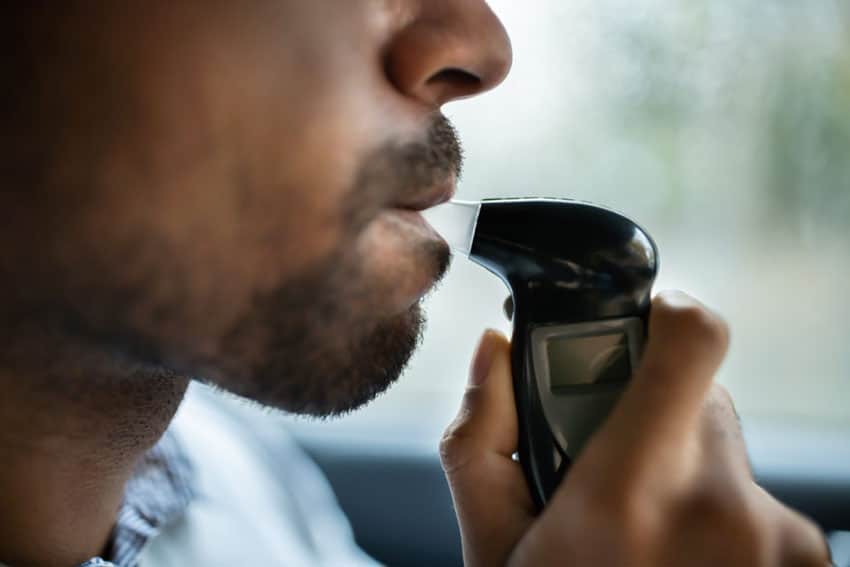
Before administering the official DataMaster breathalyzer at the station, an officer is required to observe you continuously for a minimum of 15 to 20 minutes. This protocol exists to ensure you haven’t ingested anything — food, drink, a mint, medication — that could cause a falsely elevated reading, often called “mouth alcohol.”
If the officer failed to properly maintain that observation period — stepped out of the room, turned away, became distracted, or was attending to paperwork — the breathalyzer result can be challenged on the grounds that the foundation for the test was never properly established.
What can you recall? Was the officer in the room with you the entire time before the test? Were you left alone at any point? Did the officer talk to colleagues, leave briefly, or appear distracted? Even an approximate sense of whether the pre-test period felt short or rushed is worth sharing with your attorney.
Officer Behavior During and After the Stop
Several things the officer was required to do — and may or may not have done — are legally significant:
Miranda rights. Did the officer advise you of your right to remain silent and your right to an attorney before questioning you while in custody? A Miranda violation doesn’t automatically dismiss your case, but it can result in statements you made being suppressed as evidence.
Chemical test warnings. Did the officer clearly inform you of the consequences of refusing the chemical test before asking you to submit to it? Under New York’s implied consent law, you must be warned about the refusal penalties before a refusal can be used against you. If that warning wasn’t given or wasn’t given correctly, it matters.
Field sobriety test instructions. Did the officer demonstrate the tests before asking you to perform them? Did they ask about injuries or medical conditions that might affect your performance? Did they give you clear, complete instructions, or were you rushed into starting before you understood what was expected?
Anything unusual. Was the officer aggressive, dismissive, or procedurally sloppy in ways that stood out? Did anything happen at the scene that didn’t feel right — a search, questions about something unrelated to driving, interaction with passengers? Passengers in your vehicle may have also observed things worth noting.
If an Accident Was Involved
If your stop involved a collision, the details above become even more critical, and additional information matters: what caused the accident (if known), the sequence of events leading up to it, and whether injuries occurred. Cases involving injuries to another person or additional criminal charges escalate quickly, and your attorney needs a full picture of what happened as early as possible.
Write It Down Before You Sleep
Human memory degrades rapidly under stress, and a DWI arrest is one of the most stressful experiences most people will have. Details that feel vivid the night of the arrest can become hazy or confused within 24 hours.
As soon as you’re able — once you’re released, once you’ve made your call to an attorney or family member — write down everything you can recall across these five categories. Don’t filter for what seems important. Let your attorney decide what’s useful. The goal is to capture the moment while it’s still fresh.
This isn’t about rehearsing a story or creating a strategy. It’s about preserving facts that your attorney will need to do their job effectively. The DWI defense team you hire will go through this information with you in detail, cross-reference it against the officer’s report, the bodycam footage, and any other evidence in the case, and look for the inconsistencies and procedural errors that can change the outcome.
Disclaimer: This overview is for informational purposes only and does not constitute legal advice. Every case is unique — contact our New York DWI lawyers for personalized guidance.