




Chemical Tests for Drinking and Driving in New York
When a person is arrested for a DWI offense, police will usually request a chemical test to determine the driver’s blood alcohol concentration, commonly called Blood Alcohol Concentration or BAC. In New York, the statute that gives police authority to request these tests refers to them as “chemical tests.”
Chemical testing is different from field sobriety testing. Field sobriety tests rely heavily on officer observations and subjective criteria, such as balance, coordination, eye movement, and the ability to follow instructions. Chemical tests are designed to produce a measurable result. Because of that, prosecutors often rely on chemical test evidence when deciding whether to charge and how to prove a drinking and driving case.
The three main chemical tests used in DWI investigations are Blood Test, Breath Analysis, and Urine Test. New York’s implied consent law may also allow saliva testing in certain circumstances.
Chemical tests can be powerful evidence, but they are not perfect. Each type of test has strengths, weaknesses, legal requirements, and possible defense issues.
What Is a Chemical Test in a DWI Case?
A chemical test is a test of a person’s breath, blood, urine, or saliva used to determine alcohol or drug content. In a drinking and driving case, chemical testing is generally used to estimate or measure BAC.
Chemical sobriety tests are usually requested after an officer claims there is reason to believe that a driver is intoxicated or impaired. This belief may be based on driving behavior, odor of alcohol, physical appearance, statements, field sobriety tests, a preliminary breath test, or other observations.
Chemical tests are often viewed as more reliable than field techniques because they provide a measurable result. But the accuracy of that result depends on how the test was requested, administered, collected, stored, analyzed, and interpreted.
New York’s Implied Consent Law
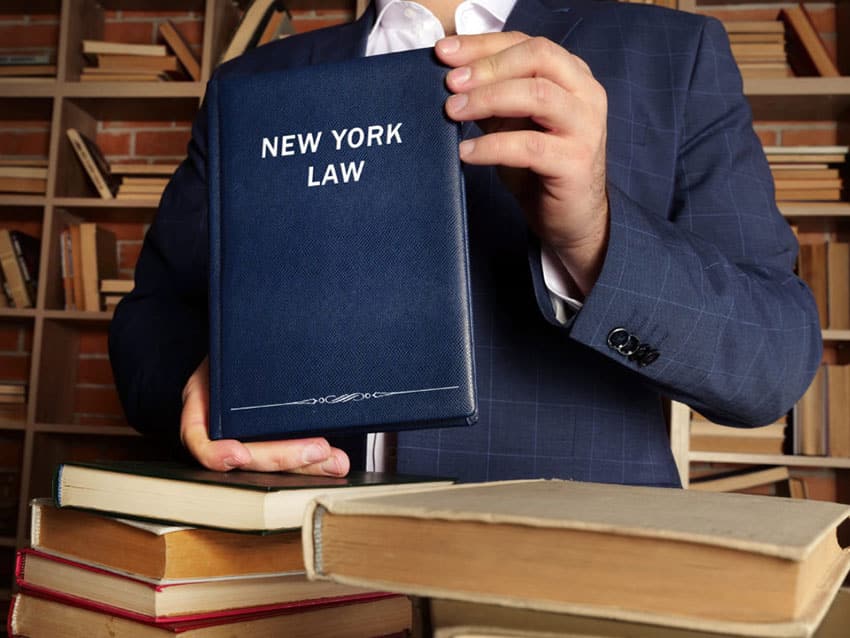
Under New York law, operating a motor vehicle in the state is treated as implied consent to chemical testing when police have reasonable grounds to believe the driver committed a DWI-related offense. New York Vehicle and Traffic Law §1194(2)(a) allows police to request chemical testing of a driver’s breath, blood, urine, or saliva when statutory requirements are met.
In practical terms, this means that if you drive in New York and are lawfully arrested or detained under circumstances covered by the statute, police may request a chemical test to determine alcohol or drug content.
However, implied consent does not mean every chemical test is automatically admissible in court. The prosecution must still show that the legal requirements were followed.
Refusing a Chemical Test
If you are arrested for DWI and refuse to submit to a chemical test, your driver’s license can be temporarily suspended at arraignment. You may then face a refusal hearing at the Department of Motor Vehicles.
A refusal hearing may result in:
- License revocation
- Civil penalties
- Additional administrative consequences
- Evidence of the refusal being used in the DWI prosecution
A chemical test refusal can create serious problems even if the underlying DWI charge is later challenged. The refusal issue is separate from the criminal case, and it can affect your ability to drive.
That said, refusal allegations can be challenged. A defense attorney may review whether the officer had reasonable grounds, whether the arrest was lawful, whether proper warnings were given, whether the driver actually refused, and whether the request for testing complied with New York law.
Requirements for Admissibility
For chemical test results to be admissible in a DWI trial, the test must generally be administered according to statutory and procedural requirements.
Important issues may include whether:
- The officer had reasonable grounds to believe the driver was intoxicated or impaired.
- The driver was placed under arrest or a field breath test indicated alcohol consumption.
- The chemical test was administered within two hours of arrest or within the applicable statutory timing requirement.
- The test was performed by a qualified person.
- The testing device or lab process was reliable.
- The sample was properly collected, labeled, stored, and handled.
- The chain of custody was complete.
- The result accurately reflects the driver’s condition at the time of operation.
If police or testing personnel fail to follow proper procedures, the chemical test result may be challenged.
The Three Main Types of Chemical Tests
There are three primary types of chemical sobriety tests used in drinking and driving cases: breath, urine, and blood.
Each test attempts to measure alcohol or drug content in a different way.
Breath Analysis
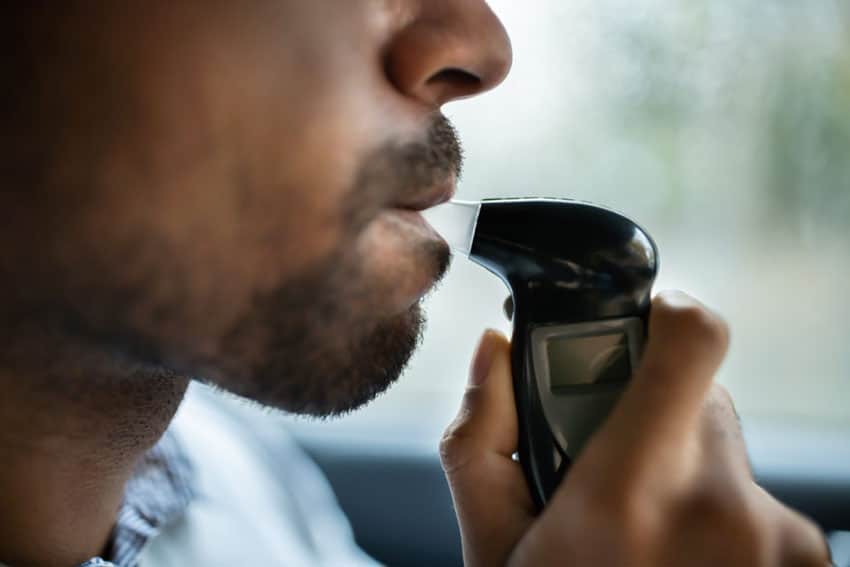
Breath analysis is the most common chemical test in DWI cases. Breath testing is usually performed with an evidentiary breath testing instrument, often referred to as a Breathalyzer.
A breath test does not directly measure alcohol in the blood. Instead, it measures alcohol in a breath sample and uses a formula to estimate blood alcohol concentration. This is why breath testing is considered an indirect method of measuring BAC.
Breath testing is popular because it is fast, relatively simple, and less invasive than taking a blood sample. A breath test can often produce results within minutes, while a blood sample may need to be sent to a laboratory and analyzed later.
However, breath test results may be challenged. Possible issues include:
- Improper operation of the breath testing machine
- Failure to observe the driver before the test
- Mouth alcohol contamination
- Irregular breathing patterns
- Radio frequency or electronic interference
- Machine malfunction
- Calibration or maintenance problems
- Operator error
- Medical conditions affecting breath samples
The breath testing instrument measures breath alcohol and converts it into an estimated BAC. That conversion depends on assumptions that may not fit every person in every situation.
A manual published by the American Medical Association, Alcohol and the Impaired Driver, recognized that breath testing methods can be reliable when performed by well-trained, competent operators. But that same point highlights an important defense issue: if the operator was not properly trained or the procedure was not properly followed, the reliability of the result may be questioned.
Blood Testing
Blood testing is often considered the most reliable method of measuring BAC because it directly analyzes a blood sample. Since alcohol concentration is commonly expressed in terms of blood alcohol content, a properly collected and tested blood sample can be persuasive evidence in court.
A blood test is a direct test. It usually measures the percent weight of alcohol in a measured volume of blood. In a DWI case, blood may be drawn by a physician, nurse, or other trained medical personnel authorized under New York law, including certain EMTs and phlebotomists.
Blood testing may be used when:
- A breath test cannot be completed.
- The driver is injured or hospitalized.
- Police suspect drug impairment.
- The case involves a crash.
- A more direct measurement is requested.
- A warrant or court order authorizes a blood draw.
Blood testing is powerful evidence, but it is also vulnerable to procedural challenges. The person who draws the blood may become a witness at trial. A DWI defense attorney may examine whether the blood sample was contaminated, mislabeled, improperly stored, mishandled, or affected by gaps in the chain of custody.
Potential blood test issues include:
- Whether the blood draw was legally authorized
- Whether a warrant was required
- Whether the person drawing blood was qualified
- Whether the correct collection kit was used
- Whether an alcohol swab contaminated the sample
- Whether preservatives and anticoagulants were present
- Whether the sample was stored properly
- Whether the lab followed accepted testing procedures
- Whether the result reflects BAC at the time of driving
Blood testing may be more direct than breath testing, but the result is only as reliable as the process used to obtain and test the sample.
Urine Testing
Urine testing may be used in both alcohol-related and drug-related driving cases, but it has major limitations.
In alcohol cases, urine testing is an indirect method of estimating BAC. Alcohol may take time to appear in urine, which means a urine sample collected an hour or two after driving may not accurately reflect the driver’s BAC at the time of operation.
In drug-related cases, urine tests are often used because they do not require drawing blood and can detect a wide range of substances. If police suspect a drug-related driving offense such as DWAI Drugs, they may request a urine sample.
But urine testing often shows the presence of drug metabolites rather than active impairment. Metabolites are inactive leftover traces created as the body processes a drug. They may remain detectable long after the impairing effects of the drug have worn off.
For example, marijuana or PCP may appear in urine days or even weeks after use. A positive urine test may show that a substance was used at some point, but it may not prove the driver was impaired at the time of driving.
This is one of the biggest weaknesses in urine-based DWAI Drugs cases. The prosecution must prove impairment, not merely prior use.
A number on a printout is not the same thing as proof.
Breath, blood, and urine tests each fail in their own way. Calibration records, the twenty minute observation period, how the sample was drawn and stored. We look at whether the result belongs in evidence at all before anyone argues about what it says.
Get a Free Case Analysis → Or see what happens when you refuse the test →Direct Versus Indirect Testing
Chemical tests can be divided into direct and indirect methods.
A direct test measures alcohol or drug content from the blood itself. Blood testing is the clearest example.
An indirect test estimates blood alcohol concentration by analyzing something else, such as breath or urine. Breath testing estimates BAC from alcohol in a breath sample. Urine testing estimates alcohol or drug content through excretion.
This distinction matters because indirect testing relies on assumptions and conversions. Those assumptions may be challenged when the facts of the case do not support them.
How Alcohol Moves Through the Body
Chemical testing is based on the way alcohol enters, moves through, and leaves the body. After drinking, alcohol enters the bloodstream. The body then works to remove it through metabolism, evaporation, and excretion.
Alcohol can be measured during this process in several ways:
- By testing blood directly
- By measuring alcohol in breath
- By analyzing alcohol or metabolites in urine
Timing is critical. A chemical test result is a snapshot of the body at the time of testing. It may not perfectly reflect the driver’s condition at the exact time of driving.
This is especially important if there is a delay between the traffic stop and the chemical test.
Timing Problems in Chemical Testing
The timing of a chemical test can affect how the result is interpreted.
Alcohol levels rise during absorption and fall during elimination. If a person recently consumed alcohol, their BAC may still be rising at the time of the stop. If testing is delayed, the result may be higher or lower than the BAC at the time of driving.
Urine testing creates additional timing problems because alcohol may not appear in urine immediately. A urine test taken at the police station an hour or two after the incident may not reliably show the driver’s BAC during the actual driving.
Breath and blood tests also raise timing issues, especially when prosecutors attempt to use a later result to prove the driver’s BAC at an earlier time.
Factors That Can Affect Chemical Test Accuracy
Chemical tests can be affected by a number of variables. Some issues are scientific, some are medical, and some are procedural.
Examples include:
- Medication use
- Cough syrup or products containing alcohol
- Herbal supplements, including products containing ginseng or alcohol
- Diabetes or ketones
- Irregular breathing patterns
- Mouth alcohol
- Cell phone or radio frequency interference
- Improper machine calibration
- Blood sample contamination
- Delay in testing
- Improper storage
- Lab error
- Chain of custody gaps
- Incorrect assumptions about absorption or elimination
For example, a person taking cough syrup containing alcohol could have a result that appears higher than expected. A urine sample taken too late may not reflect the person’s BAC while driving. A breath test may be affected by an irregular breathing pattern or possible interference. A blood sample may be affected by collection or handling errors.
These issues do not automatically invalidate a chemical test, but they may provide grounds for challenge.
Why Chemical Tests Are Powerful in Court
Chemical tests often provide direct or indirect evidence that a driver was above or below the legal limit. When a chemical test appears to show a BAC above the legal limit, prosecutors may argue that the driver is presumed to have been driving while intoxicated.
That is why chemical test evidence can be very effective in court. A number on a lab report or breath test printout may seem objective and scientific.
But chemical test evidence should not be accepted without review. The defense may challenge how the test was requested, how it was performed, whether the machine or lab was reliable, whether the sample was properly handled, and whether the result actually proves impairment at the time of driving.
Common Defense Issues in Chemical Test Cases
A DWI case involving chemical testing may raise several defense issues, including:
1. Reasonable Grounds
Police must have legally sufficient grounds to request a chemical test. If the officer did not have reasonable grounds to believe the driver was intoxicated or impaired, the test request may be challenged.
2. Lawful Arrest
In many cases, the driver must be lawfully arrested before a chemical test is requested. If the arrest was unlawful, the chemical test may be vulnerable.
3. Timing
New York law includes timing requirements for chemical testing. If the test was not administered within the required time period, admissibility may become an issue.
4. Refusal Warnings
If the case involves refusal, the prosecution must generally show that the driver received clear and proper warnings about the consequences of refusing.
5. Testing Procedure
The defense may examine whether the officer, technician, nurse, phlebotomist, or lab followed the correct procedure.
6. Machine Reliability
Breath testing machines must be maintained, calibrated, and operated properly. Any malfunction or irregularity may affect the result.
7. Sample Integrity
Blood and urine samples must be collected, labeled, stored, transported, and tested properly. Contamination or gaps in the chain of custody can raise reliability questions.
8. Actual Impairment
Especially in drug-related cases, a positive chemical test may not prove the driver was impaired at the time of operation.
Chemical Tests and Drug-Related Driving Charges
Chemical testing in alcohol cases is often focused on BAC. Drug cases are different.
In drug-related DWAI cases, the prosecution must generally prove that the driver’s ability to operate a vehicle was impaired by drugs. A chemical test may show the presence of a drug or metabolite, but that does not always prove impairment.
This is especially true with urine testing. A urine result may detect prior use without showing when the drug was used or whether it was still affecting the driver.
A strong defense may involve challenging the connection between the chemical test result and actual impairment.
What To Do After a Chemical Test or Refusal
If you were arrested for DWI and submitted to or refused a chemical test, write down as many details as possible, including:
- The time of the stop
- The time of arrest
- The time the test was requested
- The type of test requested
- Whether you took or refused the test
- What warnings were given
- Whether you asked questions
- Who administered the test
- Whether medical personnel were involved
- Whether you were taking medication
- Whether you have any relevant medical conditions
These details may help your attorney evaluate the legality and reliability of the chemical test evidence.
The Bottom Line
Chemical tests are a central part of many DWI prosecutions. Breath, blood, urine, and saliva testing can provide powerful evidence, but each method has limitations.
Breath tests are fast and common, but they rely on assumptions and proper machine operation. Blood tests are direct and often reliable, but they require proper collection, storage, and legal authorization. Urine tests may detect drugs or alcohol, but they often fail to prove when use occurred or whether the driver was impaired at the time of driving.
If you are facing a DWI or DWAI charge involving chemical test evidence, do not assume the test result tells the whole story. The procedures, timing, equipment, sample handling, and legal requirements all matter.
The attorneys at DWI Team DWI Defense Attorneys are experienced in handling DWI cases involving breath tests, blood tests, urine tests, chemical test refusals, and drug-related driving allegations. If you need help understanding the evidence in your case or challenging chemical test results, contact us for more information.
The exclusive purpose of this article is educational. It is not intended as legal advice or a general solution to any specific legal problem. Prior results do not guarantee a similar outcome. Attorney Advertising.
The science is only as good as the people running it.
New York’s implied consent law makes refusing a chemical test costly, but taking one does not settle the case either. The DWI Team examines the machine, the operator, and the paperwork behind every reading, and challenges the ones that do not hold up.