




Blood Test for Drinking and Driving
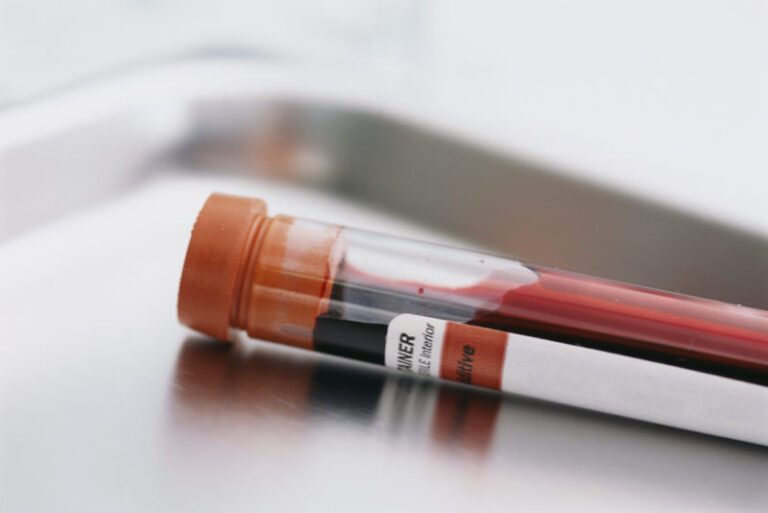
Blood tests are among the most powerful forms of evidence in a New York DWI case. Unlike a roadside screening device or a breath test, a blood test directly analyzes a biological sample and can be used to estimate a driver’s blood alcohol concentration, or BAC, at or near the time of the alleged offense.
Because blood testing is considered highly accurate, prosecutors often treat blood results as strong proof in a drinking and driving case. But “accurate” does not mean “unchallengeable.” Blood tests raise important questions about timing, collection procedures, contamination, lab methodology, chain of custody, medical conditions, and whether police had the legal authority to require the test in the first place.
This article explains how blood tests are used in DWI cases, why they can be so persuasive, and the legal and scientific issues that may affect whether the results can be used against you.
Types of Chemical Tests in DWI Cases
Police may rely on several different types of chemical or alcohol-related testing during a drinking and driving investigation, including:
- Blood Test
- Breath Analysis
- Breathalyzer
- Human error or mechanical malfunction
- Preliminary alcohol screening test
- Urine Test
Each test has limitations. Breath testing is more common because it is faster and less invasive. Urine testing may be used in some drug-related cases. Blood tests are usually viewed as the most precise chemical method for measuring alcohol or drug content, but they are also the most intrusive, expensive, and procedure-sensitive.
Why Police Request Blood Tests
Blood tests taken at a hospital or police station are often considered the most accurate chemical sobriety evaluations used to determine a person’s blood alcohol level. They may be requested when an officer believes a breath test is unavailable, unreliable, incomplete, or not the best measure of impairment.
Blood testing may be used when:
- A driver is injured or transported for medical care.
- A breath test cannot be completed.
- The officer suspects drug impairment.
- The case involves a serious accident.
- The officer believes a breath result may not accurately reflect the driver’s BAC.
- A warrant or court order is obtained for a blood draw.
Because taking blood requires piercing the skin and removing a biological sample from the body, it is considered more intrusive than breath testing. That intrusiveness is one reason blood tests are subject to close constitutional scrutiny.
What a Blood Alcohol Test Measures
A blood alcohol test measures the concentration of alcohol in a person’s blood at the time the sample is taken. In New York, a BAC of .08% or higher can support a per se DWI charge. A BAC of .18% or higher can support an aggravated DWI charge.
However, the timing of the test matters. Alcohol levels change over time. The body absorbs alcohol after drinking and then gradually eliminates it. A blood sample taken long after the driving incident may not perfectly represent the person’s BAC at the exact time of driving.
That timing issue can become important in a DWI defense. The prosecution may argue that the blood result reflects intoxication at the time of driving. The defense may examine whether the result was affected by delay, absorption, elimination, medical treatment, or assumptions used to estimate BAC backward in time.
Blood Tests Are Accurate, But Not Perfect
Blood alcohol tests are very accurate in determining BAC levels. When properly collected, preserved, tested, and documented, blood evidence can be difficult to dispute.
But blood test results can still be misleading or vulnerable to challenge. Potential issues include:
- Delay between the traffic stop and the blood draw
- Improper collection procedures
- Contamination during the draw
- Incorrect storage or preservation
- Lab testing errors
- Chain of custody problems
- Whole blood versus serum testing differences
- Medical conditions that may affect interpretation
- Use of certain medications or substances
- Failure to obtain a valid warrant, consent, or legal exception
A strong defense does not simply accept the number printed on a lab report. It examines how that number was produced.
Medical Conditions and Substances That May Affect Results
Certain medical or chemical factors can complicate blood alcohol testing. Blood alcohol results may be questioned in cases involving:
- Diabetes
- High blood ketones
- Certain cough medicines
- Some herbal supplements or other products containing alcohol
- Medical treatment before or during the blood draw
These issues do not automatically invalidate a blood test, but they may provide a basis to investigate whether the result accurately reflects alcohol impairment from drinking.
Contamination During the Blood Draw
One of the most important issues in blood testing is how the sample was collected.
If an alcohol-based swab is used to clean the skin before the needle is inserted, there may be a risk of contamination. Alcohol on the skin can potentially affect the sample if proper procedures are not followed. For that reason, blood draws in DWI cases should use approved non-alcoholic antiseptic methods and documented collection protocols.
The defense may review:
- Who drew the blood
- Whether that person was authorized and properly trained
- What antiseptic was used
- Whether the collection kit was sealed and valid
- Whether the sample was properly labeled
- Whether preservatives and anticoagulants were present
- Whether the sample was refrigerated or stored correctly
- Whether the chain of custody was complete
Small procedural details can matter because blood evidence depends on the integrity of the sample from the moment it is drawn until the moment it is tested.
Whole Blood Versus Blood Serum
Another key issue is whether the test measured whole blood or blood serum.
Whole blood testing is generally the standard for DWI blood alcohol analysis. Some medical facilities, however, test blood serum rather than whole blood. Serum testing may produce a higher alcohol concentration than whole blood testing because serum contains a different water content.
In some cases, a serum alcohol result may be significantly higher than the equivalent whole blood result. If a hospital record or lab report is used in a DWI case, it is important to determine exactly what type of sample was tested and whether any conversion was applied correctly.
Why Blood Test Evidence Can Be So Powerful in Court
When a properly administered blood test shows a BAC above the legal limit, prosecutors often rely heavily on that result. Jurors may view blood evidence as scientific, objective, and more reliable than officer observations or field sobriety tests.
That is why blood test cases require careful review. The defense may need to challenge not only the result itself, but also the surrounding assumptions. Important questions include:
- Was the stop lawful?
- Was the arrest lawful?
- Did police have reasonable grounds to request a chemical test?
- Did the driver consent?
- Was a warrant required?
- Was a warrant obtained?
- Was there a valid exception to the warrant requirement?
- Was the sample collected correctly?
- Was the sample tested correctly?
- Does the result prove BAC at the time of driving?
A blood test may be strong evidence, but it is not immune from legal or scientific attack.
Do Police Need a Warrant for a DWI Blood Test?
In many cases, yes. A forced or nonconsensual blood draw generally requires a warrant unless a recognized exception applies.
The United States Supreme Court addressed this issue in Missouri v. McNeely. The Court rejected the idea that the natural dissipation of alcohol in the bloodstream automatically creates an emergency in every drunk-driving case. In other words, police cannot rely on a blanket rule that alcohol is disappearing from the blood to avoid getting a warrant.
Instead, courts must look at the totality of the circumstances. A warrantless blood draw may be allowed only when the facts of the specific case show a valid exception, such as a true emergency that made getting a warrant impractical.
That rule is important because blood testing is intrusive. It involves piercing the skin and taking a biological sample that can reveal information beyond alcohol concentration. Because of that privacy concern, blood tests receive greater constitutional protection than breath tests.
Missouri v. McNeely and DWI Blood Testing
Missouri v. McNeely involved a driver who was stopped after an officer observed signs of intoxication, including bloodshot eyes, slurred speech, and the smell of alcohol. The driver performed poorly on field sobriety tests and refused breath testing. The officer then took him to a hospital for a blood draw without first obtaining a warrant.
The blood test showed a BAC above the legal limit, but the issue was whether the warrantless blood draw violated the Fourth Amendment.
The Supreme Court held that the natural breakdown of alcohol in the bloodstream does not, by itself, create a per se emergency justifying a warrantless blood test. Courts must evaluate the facts case by case. As NPR noted when discussing the decision, whether an emergency justifies skipping the warrant requirement must be evaluated case by case and later justified in court.
For DWI cases, the lesson is clear: the legality of a blood test can be just as important as the number reported by the lab.
Breath Tests and Blood Tests Are Treated Differently
The Supreme Court has also recognized a distinction between breath tests and blood tests.
Breath tests are less invasive. They do not pierce the skin, do not remove a biological sample, and generally reveal less private information. Blood tests are more intrusive because they require a physical intrusion into the body and leave the government with a biological sample.
As a result, police may have more flexibility with breath testing after a lawful arrest than they do with blood testing. Blood testing typically requires consent, a warrant, a court order, or a valid exception based on the circumstances.
New York’s Implied Consent Law
New York law provides that a person who operates a motor vehicle in the state is deemed to have consented to certain chemical tests, including breath, blood, urine, or saliva, when legal requirements are met.
That does not mean police can always force a blood draw in every DWI case. If a person refuses a chemical test, the refusal may trigger serious license consequences, and the refusal may be used as evidence in certain proceedings. In some situations, police may seek a court order for a compulsory chemical test, particularly in cases involving death or serious physical injury.
Because implied consent, refusal, warrants, and court orders can overlap, blood test cases often require a close review of exactly what happened during the investigation.
What If You Refuse a Blood Test?
Refusing a chemical test in New York can carry serious consequences separate from the DWI charge itself. A refusal may lead to immediate license suspension, later revocation, civil penalties, and evidence that may be used against the driver.
However, refusal issues can be challenged. A defense attorney may examine whether:
- The officer had reasonable grounds.
- The arrest was lawful.
- The driver received clear and proper refusal warnings.
- The driver actually refused.
- The request was legally valid.
- A warrant or court order was required.
- A court order was properly obtained.
A refusal is not always the end of the analysis. The details matter.
Common Defense Issues in DWI Blood Test Cases
A blood test case may involve several possible defense strategies, including:
1. Challenging the Stop
If the traffic stop was unlawful, evidence gathered after the stop may be subject to suppression.
2. Challenging the Arrest
Police must have probable cause or reasonable grounds to make a DWI arrest. If the arrest was not lawful, the chemical test request may also be challenged.
3. Challenging the Warrant or Lack of Warrant
If police obtained a warrant, the defense may examine whether the warrant application was supported by sufficient facts. If police did not obtain a warrant, the defense may challenge whether any exception justified the blood draw.
4. Challenging Consent
Consent must be legally valid. If consent was coerced, unclear, or based on improper warnings, the blood test may be challenged.
5. Challenging Collection Procedures
The defense may investigate whether the blood was drawn by an authorized person using approved procedures and proper equipment.
6. Challenging Chain of Custody
Every transfer of the sample should be documented. Missing links in the chain of custody can raise questions about reliability.
7. Challenging Lab Testing
Lab equipment, calibration, analyst training, testing protocols, and quality control records may all be relevant.
8. Challenging the Timing of the Test
A blood result taken after driving may not conclusively prove BAC at the exact time of operation. Timing can be especially important if alcohol was still being absorbed.
9. Challenging Whole Blood Versus Serum Interpretation
If a hospital serum result is treated as a whole blood BAC without proper conversion or explanation, the reported number may be misleading.
Blood Tests in Drug-Related DWI Cases
Blood testing may also be used when police suspect drug impairment. Unlike alcohol cases, where a specific BAC number may support a per se charge, drug cases often involve more complicated interpretation.
The presence of a drug in the blood does not always prove impairment at the time of driving. Some substances remain detectable after their impairing effects have decreased. Prescription medications, lawful use, dosage, tolerance, and timing may all become important.
In drug-related DWI cases, the defense may focus on whether the blood result actually proves impairment, not merely whether a substance was present.
Why Timing Matters So Much
A blood test is a snapshot of a person’s blood at the time of the draw. It is not automatically a perfect measurement of BAC at the time of driving.
Several timing issues may arise:
- How long after the stop was the sample taken?
- Was the person still absorbing alcohol?
- Was the BAC rising or falling?
- Did medical treatment affect the timing or sample?
- Did the prosecution use retrograde extrapolation?
- Were the assumptions behind any BAC estimate scientifically reliable?
The longer the delay between driving and testing, the more important these questions may become.
What To Do After a DWI Blood Test
If you were arrested for DWI and submitted to a blood test, it is important to preserve as much information as possible. Helpful details may include:
- The time you were stopped
- The time you were arrested
- The time blood was drawn
- Whether you consented or refused
- Whether police mentioned a warrant
- Whether you were taken to a hospital
- Whether medical treatment occurred
- Whether you were advised of refusal consequences
- Whether you received paperwork about the test
- Any medications or medical conditions that may be relevant
These details can help an attorney evaluate whether the blood test was legally obtained and scientifically reliable.
The Bottom Line
Blood tests can be some of the strongest evidence in a DWI case, but they are not beyond challenge. A valid defense may involve constitutional issues, New York implied consent law, the legality of the stop or arrest, the need for a warrant, the handling of the sample, lab procedures, medical factors, or the timing of the test.
If you are facing a DWI charge involving a blood test, do not assume the result tells the whole story. The number on the report is only one part of the case. How that number was obtained may be just as important.
The attorneys at DWI Team DWI Defense Attorneys understand the complexity of DWI laws and blood test evidence. If you have questions about a blood test, a refusal allegation, or the evidence in your case, contact DWI Team for a free case analysis.
The exclusive purpose of this article is educational. It is not intended as legal advice or a general solution to any specific legal problem. Prior results do not guarantee a similar outcome. Attorney Advertising.