




If you have a DWI on your record and military service is your goal, the answer isn’t a flat no — but it’s not a simple yes either. A single misdemeanor DWI conviction does not automatically disqualify you, but it puts a significant hurdle in front of you. Understanding exactly what that hurdle involves is the first step toward clearing it.
The Short Answer: You Need a Moral Conduct Waiver
Under DoD Instruction 1304.26, every military branch follows qualification standards designed to identify applicants likely to become disciplinary cases or security risks. A DWI is classified as a misconduct offense, which means a conduct waiver is required before you can enlist.
The waiver isn’t automatic, and it isn’t rubber-stamped. Each branch reviews it on a case-by-case basis. The underlying question the military is trying to answer is whether the conviction reflects a pattern of poor judgment or an isolated incident you’ve genuinely moved past. It matters whether your conviction is a misdemeanor or a felony — and in New York, that line is clearly defined.
What the Waiver Process Looks Like
To apply for a moral conduct waiver, you’ll generally need to provide a written personal statement explaining the circumstances of your conviction, all court documents and dispositions, documentation showing you’ve completed every element of your sentence, and character references from employers or community figures.
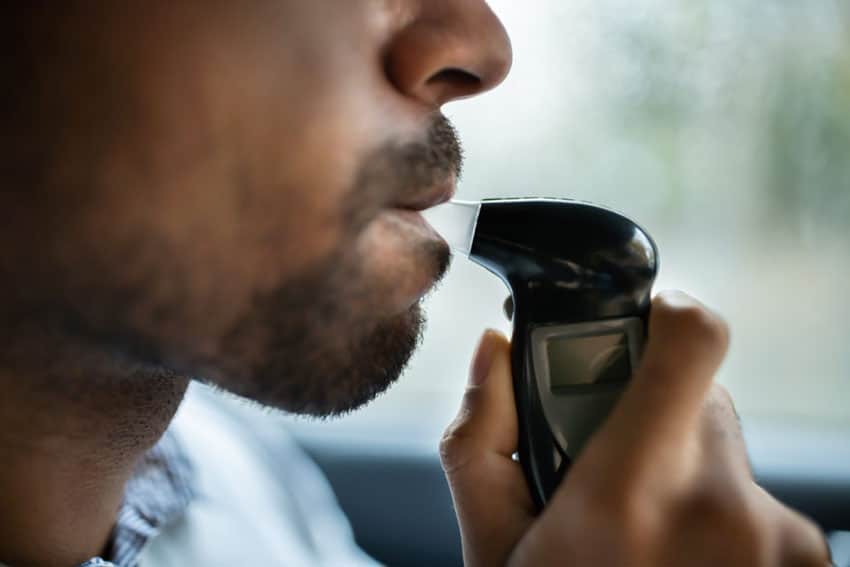
If you refused a breathalyzer or chemical test as part of the arrest, that refusal and any resulting penalties must also be fully disclosed. The military is looking for proof that you’ve taken responsibility and moved forward — not just that time has passed. If you were arrested for DWI while on probation, that complicates the waiver significantly, as it suggests a pattern rather than an isolated incident.
How Each Branch Treats a DWI
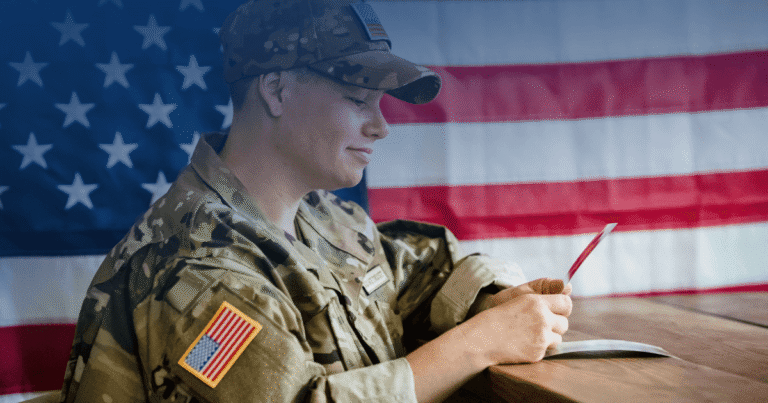
The branches don’t all weigh a DWI the same way. Generally speaking, the Army is the most open to granting waivers for first-time, single misdemeanor offenses. The Navy will consider waivers, but typically requires at least one year after conviction and full completion of all sentence requirements. The Air Force and Space Force set a higher bar — waivers are rarely approved and generally require several years of clean conduct. The Marine Corps and Coast Guard apply strict standards with no guarantee of approval.
In all cases, a felony DWI — a second offense within 10 years under New York law — creates a far more severe obstacle. Federal law under Title 10 U.S.C. § 504 prohibits enlisting a person with a felony conviction without specific authorization from the Secretary of the military department concerned.
You Cannot Lie or Omit — Even About Sealed Records
Full disclosure is mandatory throughout the enlistment process. Even if your DWI record has been sealed through a civilian court process, you are still required to disclose it to military recruiters. Military background investigations run through federal databases that have access to records civilian employers never see. Fraudulent enlistment is itself a federal crime.
Be completely transparent with your recruiter from the start.
Why Fighting the Charge Matters More Than People Realize
If you have not yet been convicted — if you’re currently facing a DWI charge in New York — this is the most important moment. Understanding the difference between DWI and DWAI in New York is critical here: a reduction to DWAI-Alcohol is a traffic infraction, not a criminal conviction, and carries very different implications for military eligibility than a misdemeanor DWI.
Knowing exactly what BAC level triggers a DWI charge versus a DWAI matters too, because the charge level directly shapes what the military sees on your record. A dismissal means you may have nothing to disclose at all.
The DWI TEAM has helped thousands of New York drivers fight their charges. If protecting your military eligibility is part of what’s at stake in your case, our attorneys need to know that — because it changes the defense strategy. Contact us to discuss your case before any decisions are made.
Disclaimer: This overview is for informational purposes only and does not constitute legal advice. Every case is unique — contact an experienced DWI lawyer for personalized guidance.