





A recent cyberattack on Intoxalock left drivers across the country stranded — unable to start their vehicles despite full compliance with their court-ordered ignition interlock device requirements.
For many, this was more than an inconvenience. It was a complete disruption of daily life.
If you rely on an ignition interlock device (IID), here’s what happened, why it matters, and what you need to do next.
What Is Intoxalock and How Do Ignition Interlock Devices Work?
Intoxalock is one of the largest providers of ignition interlock devices in the United States.
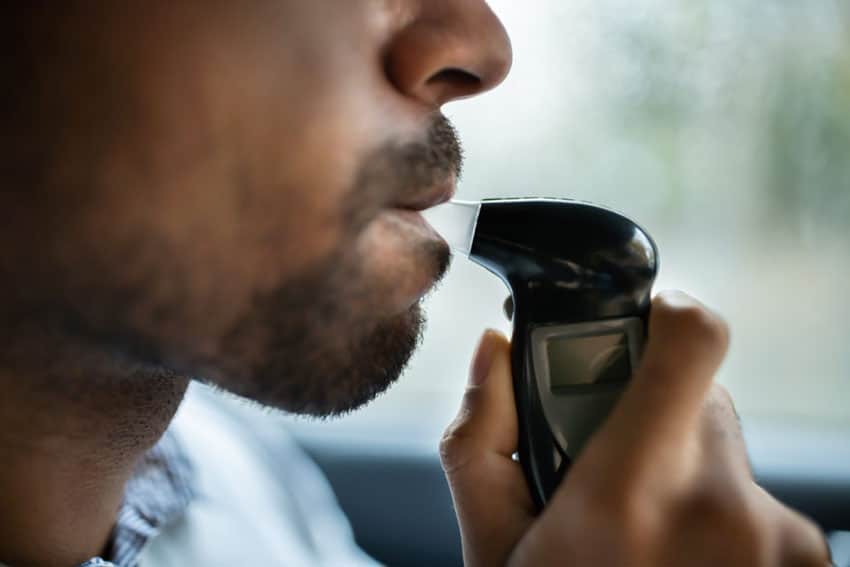
An ignition interlock device is a breathalyzer installed directly into your vehicle. It requires drivers to provide a breath sample before starting the car and at random intervals while driving. To operate your vehicle, you must:
- Blow into the device before the engine starts
- Register a breath alcohol level below the preset limit
- Complete rolling retests while driving
If the device is not satisfied, your vehicle will not start.
For many drivers, these devices are:
- Required after a DWI charge
- Mandated by courts or the DMV
- The only legal way to maintain driving privileges
Under Leandra’s Law in New York, any driver convicted of a DWI is required to install and maintain an IID on any vehicle they own or operate for a minimum of 12 months — and the conditional discharge or probation period doesn’t end until those requirements are fully met.
What Happened: The Intoxalock Cyberattack
According to multiple news reports, a cybersecurity incident targeting Intoxalock’s servers caused a widespread outage beginning on March 14, 2026, affecting drivers nationwide.
Key details include:
- Drivers in up to 46 states were impacted
- The attack involved hackers flooding Intoxalock’s servers to prevent them from functioning
- Installations, removals, calibrations, and account access were all disrupted
- Fully compliant drivers were still locked out of their vehicles
- The company confirmed user data was secure, but did not disclose whether a ransom was demanded
This was not user error. This was a system failure tied to a cybersecurity breach — and the burden fell entirely on the people who had done everything right.
Why the Intoxalock Outage Is a Serious Problem
Drivers Were Instantly Stranded
When Intoxalock’s systems went down, drivers couldn’t start their vehicles. That means:
- They couldn’t get to work
- They couldn’t transport their families
- They couldn’t make it to medical appointments
- They couldn’t complete basic daily responsibilities
For drivers in rural areas without public transit options, this wasn’t just an inconvenience — it was a full loss of mobility.
No Workaround Exists
Drivers using interlock devices cannot simply:
- Switch vehicles
- Bypass the system
- Ignore the requirement
Doing so could result in serious legal consequences. Under New York law, operating a vehicle without an interlock device when one is court-ordered is a Class A misdemeanor, separate from any original DWI charge.
Legal and Compliance Risks Increase
Here’s where things get particularly frustrating: even though the outage was caused by a cyberattack, drivers are still on the hook for compliance. That creates real risk around:
- Missing data logs — IIDs record all breath test activity; gaps during an outage may raise flags
- Incomplete test records — any break in the required testing log can be flagged by your monitoring authority
- Potential violations — depending on documentation and your monitoring authority, a missed service event could appear as noncompliance
Intoxalock has offered a 10-day recalibration extension for most affected customers, though this extension does not immediately apply in all states. New York drivers should confirm their eligibility directly with Intoxalock or their assigned monitor.
The Bigger Problem: Technology Failure With No Safety Net
Ignition interlock programs in New York are mandatory, strictly enforced, and completely dependent on technology. But when that technology fails:
- There is no universal backup system
- There is no automatic legal protection
- There is no immediate solution
The compliance rules in many states are written as hard deadlines with little allowance for vendor technical failures. That means a missed calibration or data download — even one caused entirely by the vendor’s outage — can still show up as noncompliance unless documented correctly.
This is a structural gap in how interlock programs are designed, and this cyberattack put it on full display.
What To Do If Your Intoxalock Device Isn’t Working
1. Document Everything
Keep a detailed record of:
- The dates and times your vehicle would not start
- Any error messages displayed
- Photos or videos, if you can capture them
This documentation becomes critical if your compliance record is ever questioned.
2. Contact Intoxalock Immediately
Call customer support right away:
📞 Customer Support: (877) 777-5020
Request:
- Written confirmation that the outage occurred and affected your device
- Documentation that the issue was system-related, not user-related
This paper trail is your protection.
3. Protect Your Legal Status
- Notify your attorney as soon as possible.
- Make sure your compliance record is protected and that any gap in data is explained.
If you’re navigating a DWI conviction or are in the middle of an interlock requirement under Leandra’s Law, a system outage that goes undocumented could create problems at your next monitoring check-in.
4. Do Not Attempt to Bypass the Device
Trying to work around the system — having someone else blow into the device, tampering with it, or driving a vehicle without an IID — can create circumvention charges that are far more serious than the original issue. That’s a separate criminal charge under VTL § 1198(9).
Final Takeaway
Ignition interlock devices are supposed to provide a structured path forward after a DWI charge.
But this cyberattack exposed a harsh reality: when the system fails, the burden falls entirely on the driver — even when they’ve done absolutely nothing wrong.
Need Help Navigating an Interlock Issue?
If your device failed and you’re unsure how it impacts your case or your compliance standing, don’t guess. Get clarity before a system error turns into a legal problem.
The NY Courts IID guide outlines what you’re required to do once your IID period ends — but right now, the priority is documentation and communication with both Intoxalock and your legal team.
Disclaimer: This overview is for informational purposes only and does not constitute legal advice. Every case is unique — contact a DWI defense attorney for personalized guidance.