




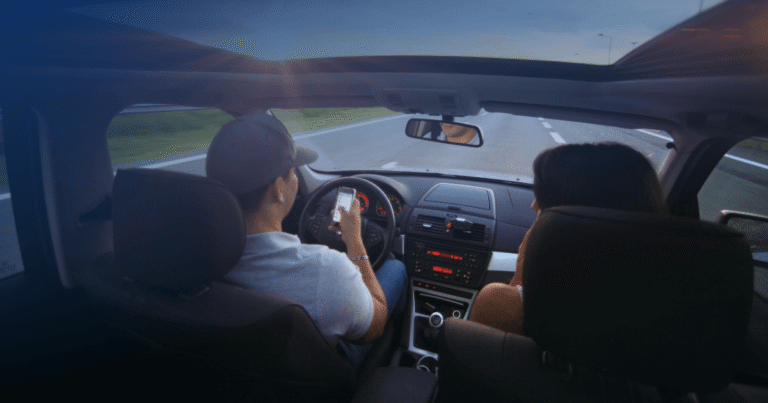
The short answer is no — being a passenger in a vehicle doesn’t expose you to a DWI charge. New York’s DWI statute is built around the concept of operating a motor vehicle, and if you’re in the passenger seat, you’re not doing that.
But there are two specific exceptions that can change the picture quickly, and both are worth understanding before you assume you’re in the clear.
The General Rule: Passengers Aren’t Charged With DWI
New York Vehicle and Traffic Law § 1192 makes it illegal to operate a motor vehicle while intoxicated. The operative word is operate. Courts have interpreted this to mean exercising control over the vehicle — sitting in the driver’s seat, having the keys in the ignition, being in a position to put the car in motion. A person riding in the passenger seat, back seat, or anywhere other than behind the wheel doesn’t meet that definition.
So if you were a passenger and the driver was stopped for DWI, you don’t face the same criminal exposure the driver does — at least not for DWI itself. Understanding whether a DWI charge is a misdemeanor or a felony can help clarify what’s actually at stake for whoever was behind the wheel.
Exception #1: Attempting to Operate From the Passenger Seat
This is where things get complicated. If you were in the passenger seat but you were reaching over to steer, grabbing the wheel, pressing on the brakes, or otherwise attempting to control the vehicle, police can argue that you were “operating” the car just as much as the person in the driver’s seat.
New York courts have taken a broad view of what counts as operating a vehicle. Physical placement in the vehicle matters less than whether you were exercising control over it. A passenger who grabs the wheel to correct a swerve has a very different legal exposure than one who was simply sitting there.
This scenario comes up most often in accidents — where a passenger may have grabbed the wheel before a collision — or in situations where a very intoxicated driver needed “help” from a passenger to keep the car moving. In either case, the passenger’s actions can become part of the DWI investigation. The 2026 DMV point system changes mean that anyone found to have operated a vehicle while intoxicated now also faces 11 automatic DMV points, on top of any criminal charge.
Operating is a legal question, and it is one of the most contested in New York DWI law.
Keys in the ignition, sitting in the driver’s seat, or a dispute about who was where after a stop can all turn into an operation charge. What the officer observed, and when, becomes the whole case. The DWI Team knows how these charges get built.
Get a Free Case Analysis → See how we defend common law DWI charges →Exception #2: Leandra’s Law and Child Passengers
The second exception doesn’t involve what you were doing — it involves who was in the car with the driver.
If you were the driver (not a passenger) and a child 15 years of age or younger was in the vehicle when you were arrested for DWI, your charge is automatically elevated to a Class E Felony under Leandra’s Law. The child doesn’t have to be yours — the law applies regardless of your relationship to the passenger. And the child’s presence doesn’t create any criminal exposure for the child, but it dramatically changes the consequences for the driver.
This exception doesn’t charge the passenger with a crime. It changes the charge against the driver based on who was present. For a full breakdown of how child passengers affect DWI charges, see DWI with a child in the vehicle.
What Passengers Can Still Be Charged With
While a passenger typically won’t face a DWI charge, that doesn’t mean riding along during a DWI stop is entirely risk-free. Depending on what’s in the car and how the stop unfolds, passengers can potentially face:
- Open container violations if they’re actively drinking alcohol in the vehicle
- Obstruction charges if they interfere with the officer’s investigation — including making statements designed to confuse the situation or physically impeding the stop
- Drug possession charges if contraband is found and connected to them
The short version: staying quiet and cooperative is always the right call for everyone in the vehicle. The NY DMV’s penalties page covers the full range of consequences that can flow from a DWI stop — both for the driver and, in some circumstances, others present.
The Seat-Switching Scenario
One situation that deserves its own mention: attempting to switch from the driver’s seat to the passenger seat after police lights appear behind you. This almost never works, and it often makes the situation significantly worse for both people in the car. Officers are trained to watch for this, and it can result in obstruction charges on top of the DWI itself.
If you’ve been involved in a stop where this happened — whether you were the driver or the passenger — get an experienced DWI defense attorney involved quickly. A felony DWI charge — which is where Leandra’s Law or a seat-switch situation can land you — carries consequences that extend well beyond the immediate case, including consequences for travel to Canada and your ability to refuse chemical testing without serious penalties for that refusal. Knowing what to do immediately after an arrest is the first step toward protecting your options.
This article is for general informational purposes and does not constitute legal advice. Every case is different — contact our DWI defense attorneys for guidance specific to your situation.
When no one saw you drive, the case rests on what an officer believes happened.
Common law DWI charges depend on observation rather than a test result, which makes the officer’s account the evidence. The DWI Team examines the timeline, the statements, and the stop across all 62 New York counties.