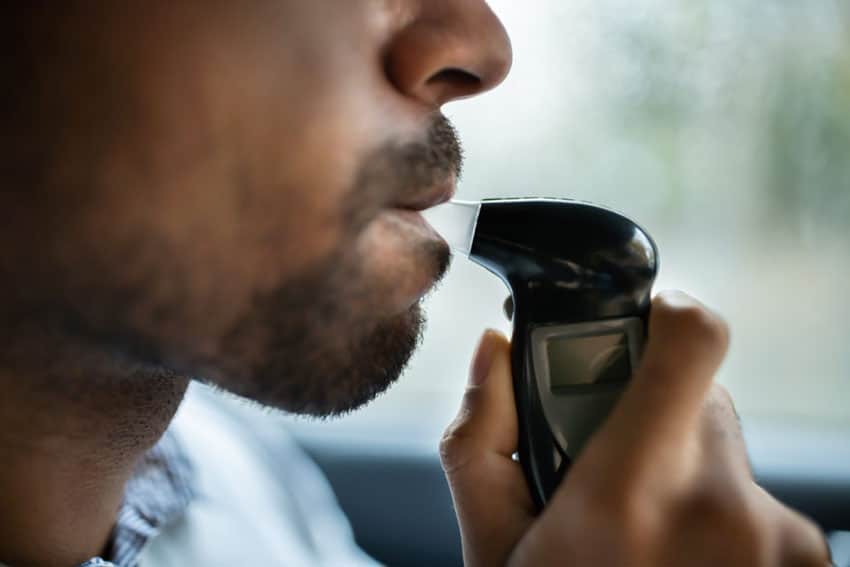





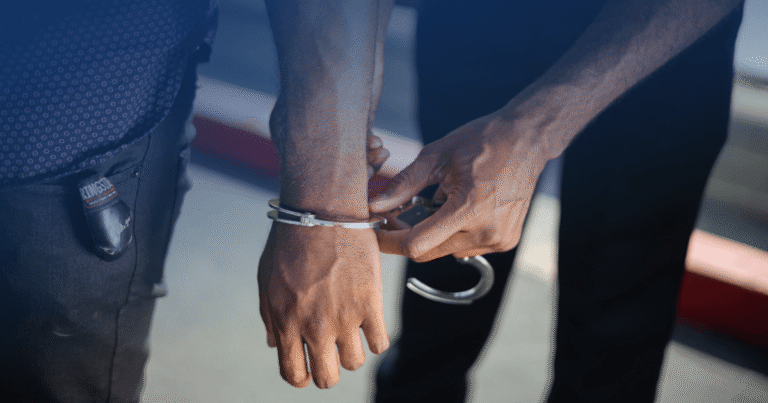
This situation is one of the most stressful a person can face — and the reason is simple: one arrest creates two separate legal fights happening simultaneously. The new DWI case and the probation violation are handled independently, by different judges, under different rules. You can lose on both fronts at the same time.
Two Cases Running in Parallel
When you’re arrested for any DWI-related offense while serving a probation sentence from a prior conviction, here’s what gets set in motion:
Track 1 — The New Criminal Case: The new DWI charge proceeds through the criminal court system just like any other case. If your prior conviction was within the last 10 years, the new charge may be elevated to a felony. A second DWI within 10 years is a Class E Felony carrying up to 4 years in state prison. A third is a Class D Felony carrying up to 7 years.
Track 2 — The Violation of Probation (VoP) Hearing: Separately, your probation officer has the authority to file a Violation of Probation with the original court. Being charged with a new crime is a substantive VoP — the most serious type. Your original sentencing judge hears this, not a new judge.
These two cases don’t wait for each other. The VoP hearing can proceed and be resolved before the new criminal case is even close to a disposition.
The VoP Hearing: Why It’s More Dangerous Than People Expect
Most people assume the new criminal case is the bigger threat. That’s often wrong. Under CPL § 410.70, the VoP hearing operates under a much lower standard of proof — preponderance of the evidence rather than beyond a reasonable doubt. The judge doesn’t need to be convinced you’re guilty of the new DWI to find a probation violation. A bare showing that you probably committed the offense is enough.
What happens if the judge finds a violation:
| Outcome | What the Judge Can Do |
|---|---|
| Revoke probation | Impose the original suspended sentence in full — including any jail time you avoided the first time |
| Modify conditions | Add new restrictions (more reporting, alcohol monitoring, extended IID) |
| Continue probation | Less common when a substantive violation is proven |
| Extend probation term | Add time to the supervision period |
The key point: the sentence imposed at the VoP hearing is entirely separate from and cumulative to the penalty for the new DWI conviction. If you’re convicted of the new charge AND your probation is revoked, you could be serving both sentences.
The Arrest Itself Doesn’t Require a Conviction
Here’s something that catches many people off guard: your probation officer doesn’t need to wait for you to be convicted of the new DWI to file a VoP. An arrest alone — especially for a substantive offense like DWI — can trigger probation violation proceedings. The timing matters enormously.
Because the cases move independently, it’s entirely possible to:
- Win the new DWI case (charges reduced or dismissed), but still face VoP consequences
- Have the VoP been resolved before the criminal case is decided
This is why having an attorney working on both tracks from the beginning is critical. If you’re not sure what to do after a DWI arrest, the short answer when probation is in the picture is: get representation in place before the next court date, not just the new charge.
What Probation Conditions Are Typically in Play
Most people on probation following a DWI, DWAI, or related offense are subject to a standard set of conditions, and getting arrested for a new DWI can implicate several of them at once. The three most common conditions that become relevant:
- Ignition interlock device (IID) requirements — If you were already required to have an IID installed as part of your probation, the new arrest may trigger additional interlock-related compliance issues, even before you’re convicted of anything new.
- Substance abuse treatment or counseling — A substantive VoP often prompts the court to revisit whether your current treatment program is sufficient.
- No new criminal activity — This is the core condition being violated. The NY DCJS notes that any DWI conviction as part of a new offense triggers mandatory probation or conditional discharge conditions on top of the original sentence.
The probation conditions you were given aren’t just administrative paperwork. They’re the framework the judge uses to evaluate how seriously to treat the new violation.
The Felony Question
If your prior DWI conviction was within the last 10 years, the new arrest isn’t just a repeat misdemeanor — it’s an automatic felony escalation. The same conduct that would be a misdemeanor for a first-time offender becomes a Class E Felony, with state prison exposure rather than county jail. That dramatically changes everything about how the new case needs to be handled.
Under VTL § 1192, the 10-year lookback runs from conviction to arrest date — not from arrest to arrest. An attorney needs to verify exactly where your prior conviction falls on that timeline. If the prior was an aggravated DWI, that can affect the lookback analysis as well.
How the Two Cases Interact Strategically
The VoP and the new criminal case aren’t fully independent from a defense strategy standpoint — they interact in ways that aren’t obvious.
For example, how the new criminal case is resolved can affect what leverage exists on the VoP side. A dismissal or reduction of the new charge doesn’t automatically kill the VoP, but it can change the landscape of what the original judge is willing to do. Similarly, how quickly the VoP is resolved can affect the criminal case — if someone is already serving time on the revoked sentence, that changes the calculus on the new case entirely.
This is the core reason why having experienced DWI defense counsel familiar with both proceedings is so important. You need someone who can see the whole board at once, not just handle one case at a time.
What to Do Immediately
The most important step is getting legal representation in place before the VoP hearing is scheduled. Once the hearing is set, you’re already behind.
A defense attorney working on a DWI-while-on-probation case has to pursue several objectives at once: challenge the new charge on its merits, manage the timing of the VoP proceeding, and negotiate with the original court on what outcome is possible for the violation. Each of those moves affects the others.
If this is your situation, our DWI defense team handles these cases across all 62 New York counties and knows how to address both proceedings simultaneously. You can also learn more about how we approach DWI and DWAI charges while on probation on our dedicated page.
Disclaimer: This overview is for informational purposes only and does not constitute legal advice. Every case is unique — contact DWI TEAM for personalized guidance.